Context
Drishti trained its lifeguards — both internal trainees who went on to staff watch towers, and external hires taking day-long basic life support (BLS) sessions at venues like hotels — using its own decades-old textbooks, printed manuals, and whiteboard sessions. The content was good; the delivery wasn't scaling.
Diagnosing the opportunity
I ran a SWOT analysis to map out where Drishti was exposed and where it had leverage it wasn't using yet.
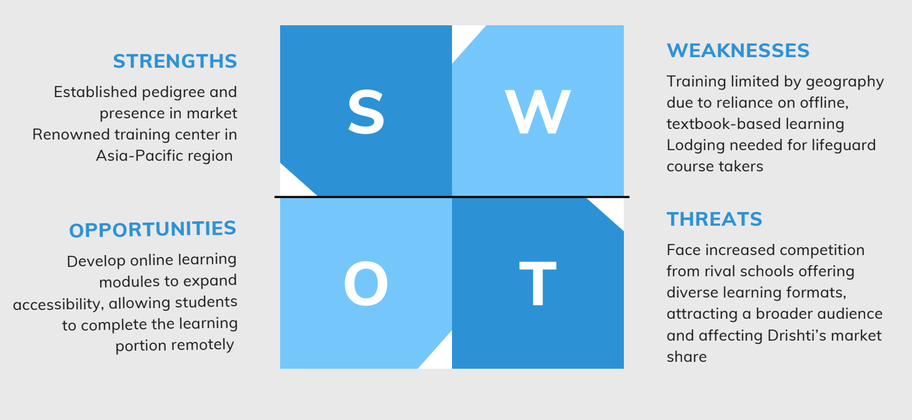
The analysis pointed at one clear move: Drishti already owned strong, brand-backed training content — it just wasn't digitized. Turning that into a self-paced online course would decouple training from geography, cut delivery cost, and let the brand expand into new venues faster than a trainer-led model ever could.
Value proposition: Digitize existing training content into a self-paced learning course with built-in assessments.
The pitch
Rather than pitch the idea cold, I built a working MVP on edX to show leadership exactly what a self-paced course with assessments would look and feel like for a trainee. The demo made the abstract case concrete, and leadership signed off to move into build.
Building the pipeline
Before writing any code, I sat down with one of Drishti's head lifeguards to understand how training actually happened on the ground — textbooks, printed manuals, whiteboard walkthroughs — and where trainers were losing time or losing trainee attention.
Why RAG over a small local model
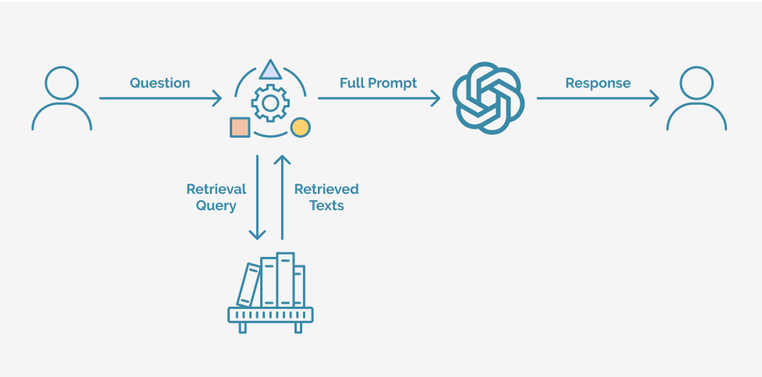
I first tried running lightweight LLMs locally, but at only a few million parameters they weren't reliable enough. Life-saving training content has zero tolerance for hallucination, so I moved to a retrieval-augmented generation (RAG) approach instead — the source manuals stayed the single source of truth, and the model's job was to structure and present that content, not invent it.
Pipeline design
The pipeline I designed and pitched internally:
- Ingest Drishti's existing PDFs and docs with an LLM, extracting headings and subheadings to define topic-based modules.
- Extract images from the source material, tag them, and log them to a spreadsheet for later reference.
- Generate slide-style topic templates, placing images by matching surrounding text to a similarity score against the tagged image log.
- At the end of each topic, auto-generate MCQ and scenario-based assessment questions.
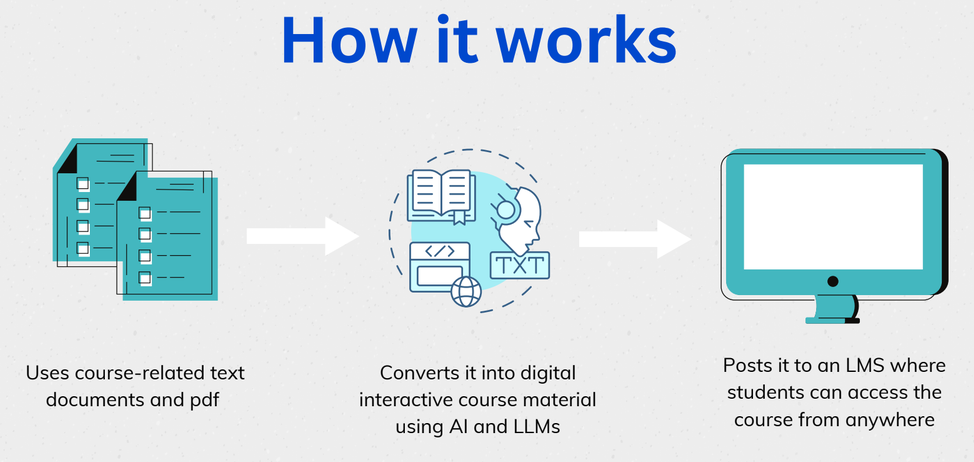
I built the end-to-end version of this — extraction, RAG-grounded topic generation, template assignment, image placement, and MCQ generation all working together. It worked, but with real rough edges: some hallucination, and topic splits that weren't always clean. With the project on a deadline, I handed the pipeline to the core tech team, who hardened it into HTML-based lessons with MCQs.
Shipping to Kul
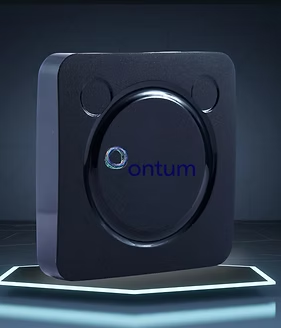
The finished lessons were deployed onto Kul, our company's offline-first, plug-and-play LMS box. Kul runs entirely offline — connect it to a display to run a course directly, or let trainees join its local wifi to download courses to their own devices and complete them without data. Progress syncs back to the box on reconnect, and from there to our servers whenever Kul itself gets internet access.
Field testing in Goa
A few weeks after deployment, I went to Goa myself to run real training sessions with Drishti's lifeguards and collect direct feedback on the product.
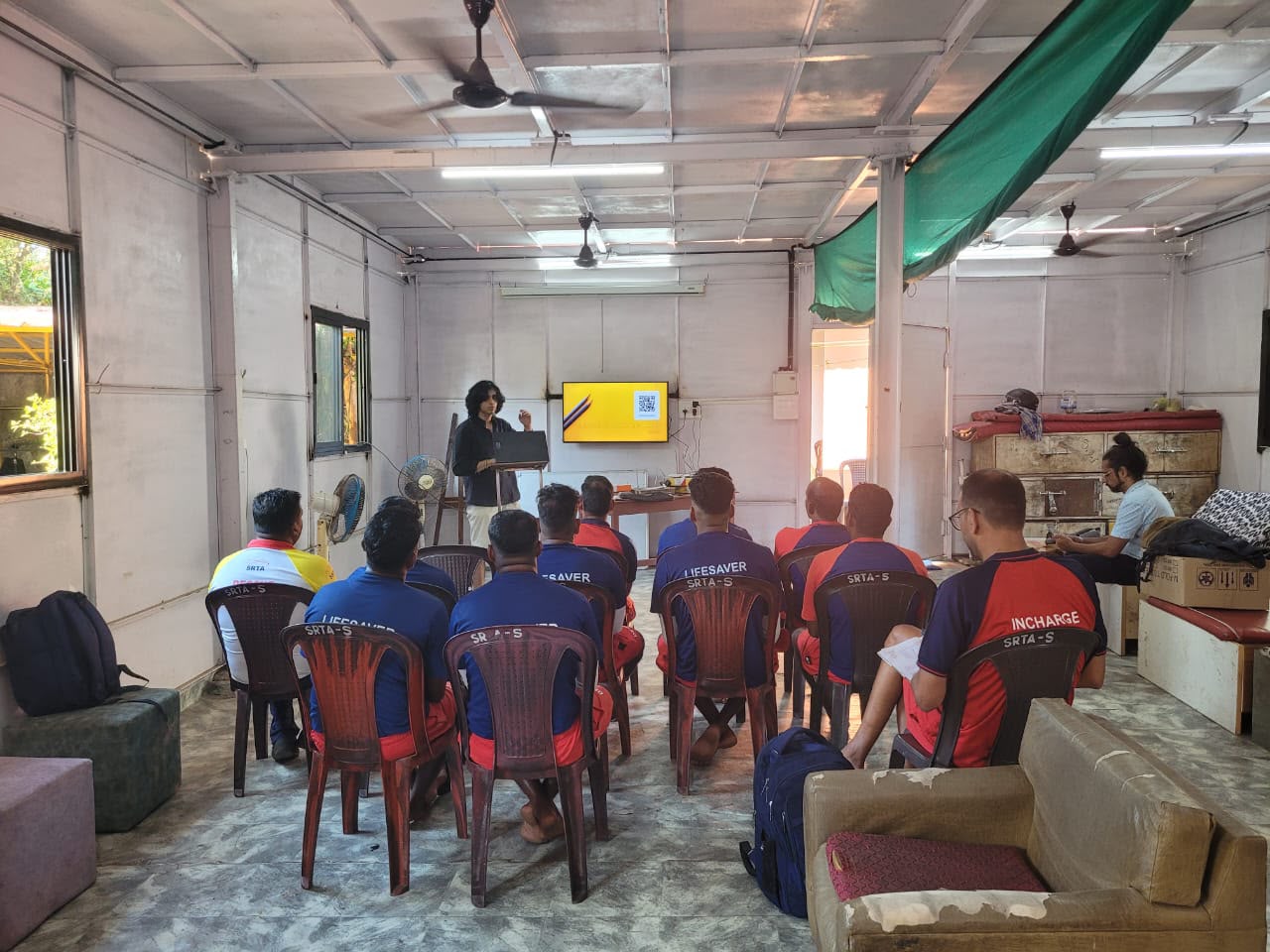
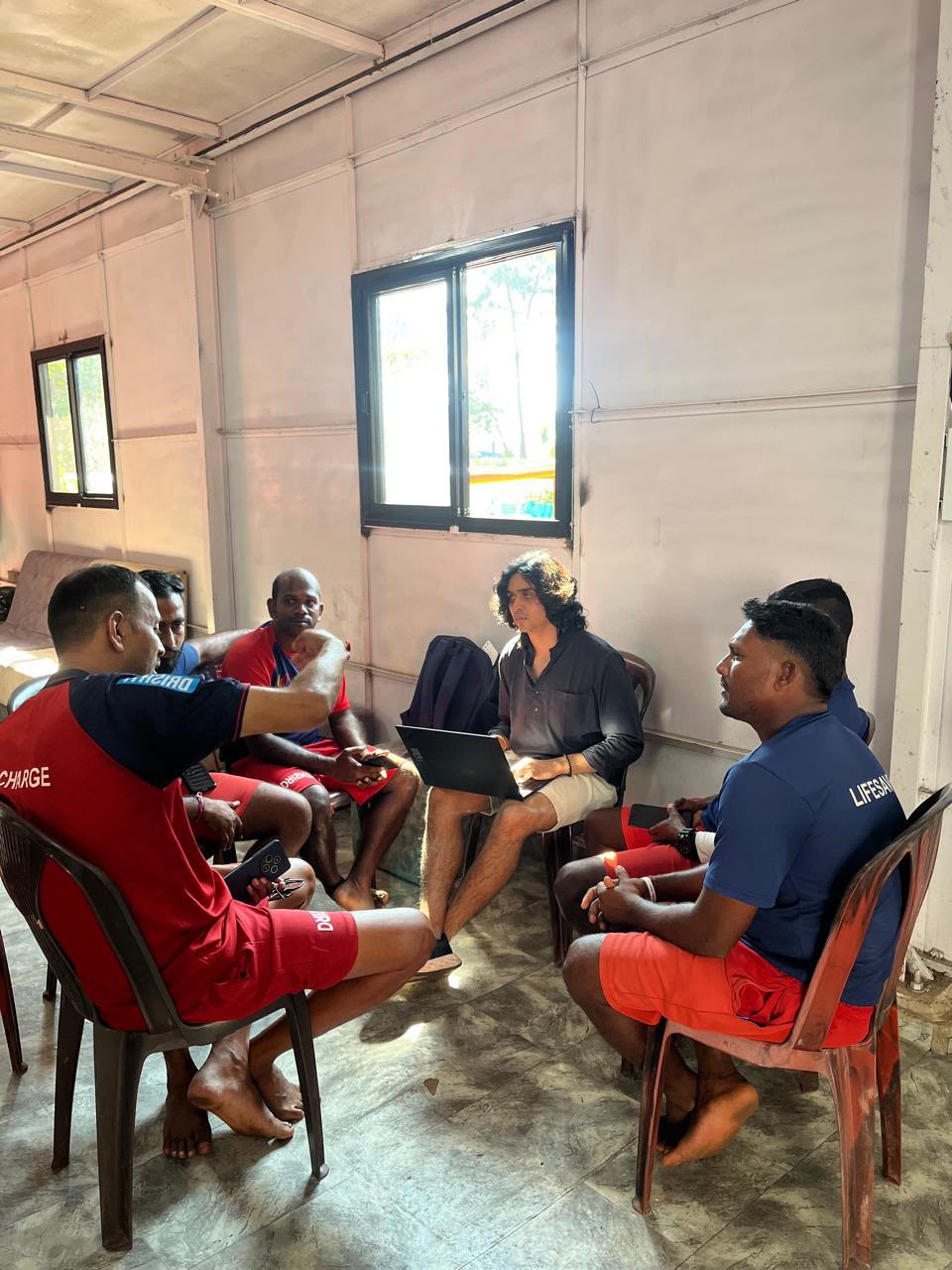
The course held up well. Two pieces of feedback stood out: trainees wanted the course available in local languages (Hindi, Marathi, Konkani, Kannada) alongside English, and several lifeguards independently suggested a voice-guided, hands-free mode — talking a lifeguard through CPR or DR ABC step-by-step while they're performing it in the field. I folded both into the findings I presented back to Drishti's leadership.
Outcome
- 3 Kul boxes successfully deployed and running in Goa.
- Full course library generated using the pipeline I built, then hardened by the core tech team.
- Clear, validated roadmap for v2: multi-language support and a voice-guided field-assist mode, both sourced directly after speaking with end users.